
How to Position Your Organisation for Real Impact
Why strategy, insight, and depth, not just design are what make brands truly stand out
Truly effective creative work has depth—we don’t just make things look nice at a surface level
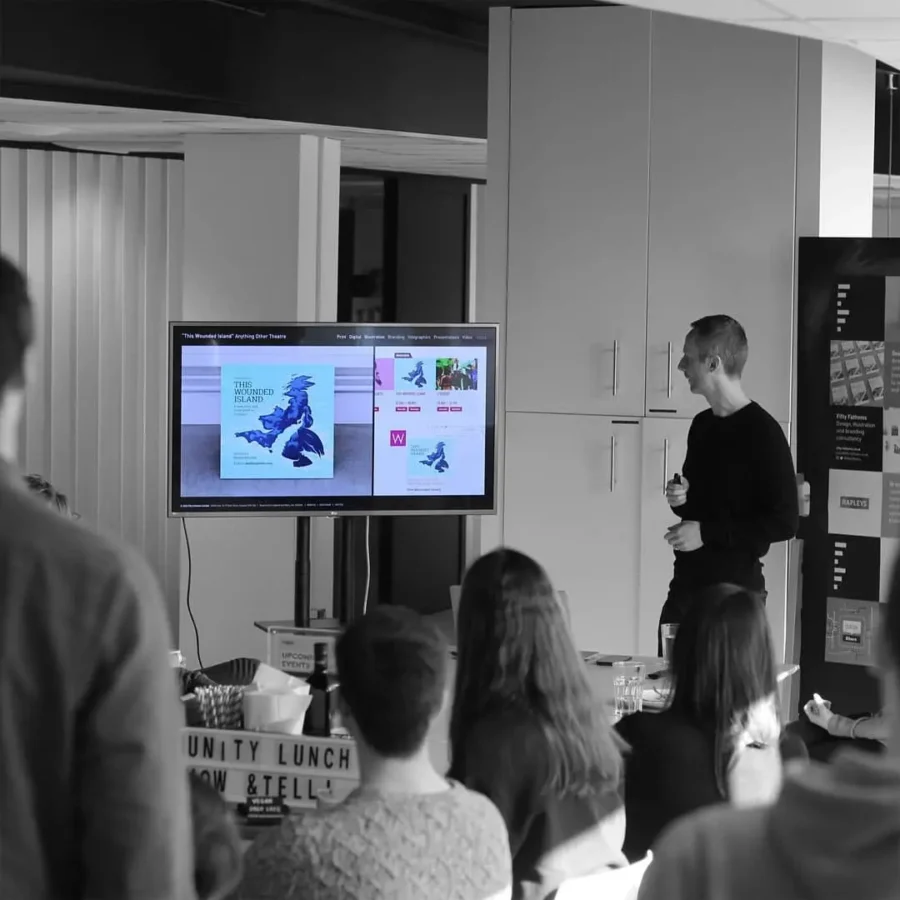
In a world where organisations compete for attention, trust, and relevance, branding has become far more than a visual exercise. Whether you’re a business, charity, or growing organisation, how you position yourself in the minds of your audience can determine whether you’re chosen or ignored.
Branding Is More Than Visual Identity
It’s easy to reduce branding to logos, colours, and typography. But that’s only the visible layer.
Branding is ultimately about perception what people think, feel, and remember about your organisation. It’s the mental shortcut your audience uses to decide whether you’re relevant to them.
At Fifty Fathoms, branding is described as going “beyond the surface,” focusing not just on how something looks, but how it connects and communicates meaning.
Without that deeper connection, even the most polished design risks becoming decoration rather than differentiation.

Positioning: Standing Apart in a Crowded Market
Every organisation operates within a competitive landscape even those driven by purpose rather than profit.
Businesses, charities, and organisations often offer similar services. Positioning is what makes one stand out over another.
Strong positioning answers a critical question:
Why should someone choose you instead of an alternative?
Through strategy and research, it becomes possible to uncover what makes an organisation genuinely distinctive. According to Fifty Fathoms, this clarity allows brands to “stand apart in their market, rather than provide superficial creative work.”
Start With Insight, Not Assumptions
One of the biggest mistakes organisations make is jumping straight into execution.
Websites, campaigns, and visuals are often created based on internal assumptions rather than real audience insight. But what you think matters to your audience isn’t always what actually drives their decisions.
That’s why research sits at the heart of effective branding:
Talking directly to customers or stakeholders
Gathering feedback and identifying patterns
Understanding needs, motivations, and behaviours
This is a core principle behind Ian Tyler’s approach prioritising research and strategy before design to ensure the outcome is grounded in reality, not guesswork.

The Role of Psychology in Branding
Branding is not purely rational it’s behavioural.
People don’t always make decisions based on logic alone. Perception, context, and emotional triggers all play a role. Concepts like scarcity, familiarity, and association can significantly influence how a brand is experienced.
For example, limited availability can increase demand, while long-standing brand associations can shape how something is perceived even down to taste or quality.
Understanding these behavioural principles allows organisations to communicate more effectively and connect more deeply.
Making Branding Work Across Your Organisation
A brand shouldn’t live in a document it should live in how your organisation operates.
Too often, branding ends up as a set of guidelines that are inconsistently applied. A more effective approach is to embed it into everyday activity:
Aligning teams around a shared message
Creating consistency across all touchpoints
Supporting communication, marketing, and decision-making
Fifty Fathoms emphasises building brands that are not only distinctive but also practical designed to be used, understood, and applied across an organisation, not just admired.